
admin
-
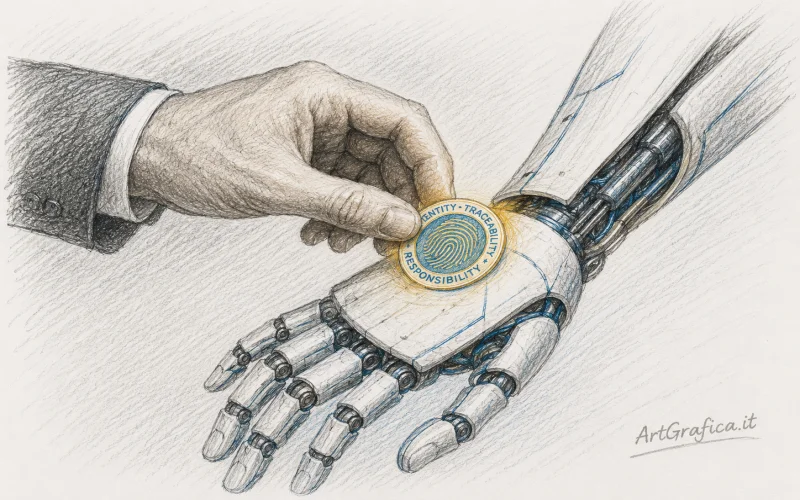
When machines enter the ledgers of power
Category : Articles & InsightsChina’s decision to assign a digital identity card to humanoid robots might look like one of those stories destined to intrigue technology readers for a few minutes, before slipping into the vast archive of eccentric innovations. In reality, behind that twenty-nine-digit code meant to accompany every machine from factory floor to scrapping, something far
-

When code meets the soul
Category : Articles & InsightsFor years, the debate around artificial intelligence was framed primarily as a matter of innovation. More speed, more computing power, more automation, greater efficiency. Yet there are moments when a seemingly isolated event reveals something far more profound. The presence of Christopher Olah, one of the world’s most influential researchers in the internal architecture
-
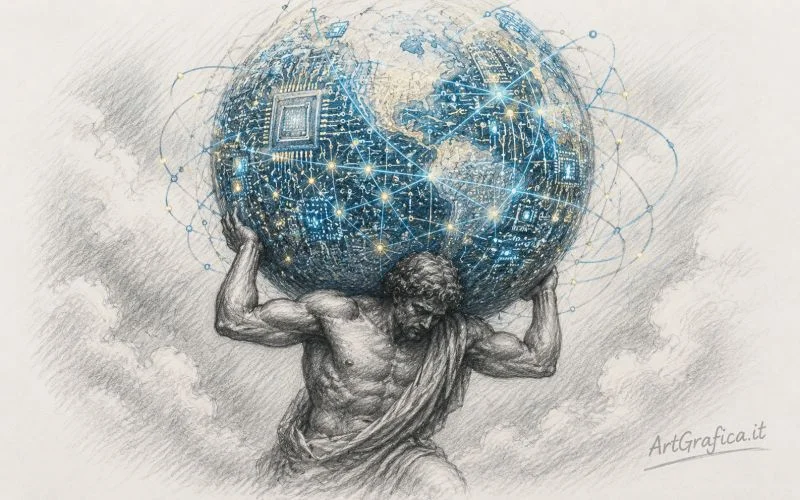
The Final Frontier of Humanity
Category : Articles & InsightsFor more than two centuries, technological progress has been told as a story of expanding human capabilities. Machines amplified physical strength, accelerated production, and multiplied the speed of transportation and communication. Artificial intelligence introduces a deeper rupture. It does not merely extend what human beings can do. It begins to occupy the symbolic territory
-
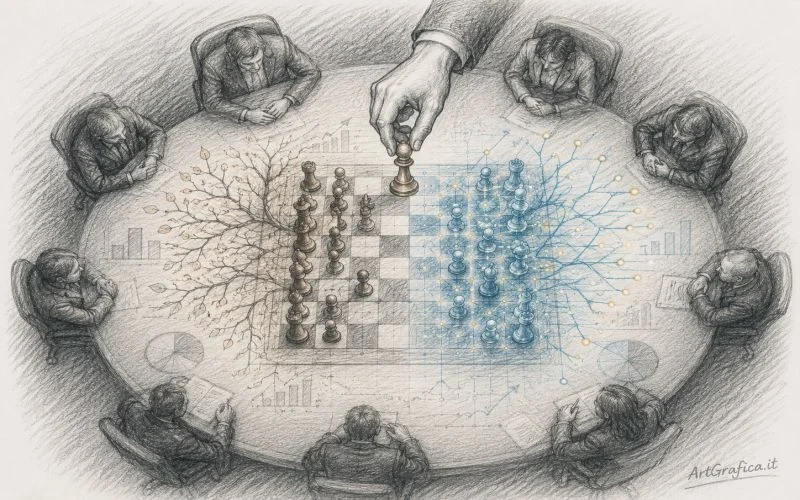
When the company discovers it is no longer the fastest mind
Category : Articles & InsightsSam Altman’s statement has the rare merit of a successful provocation: it forces everyone to look at something that was already in front of them, although many preferred to keep it at the edge of the desk. A child born today, the head of OpenAI essentially said, will never be smarter than artificial intelligence.
-

The Economy of the Mind
Category : Articles & InsightsFor more than a century, the industrial economy revolved around a relatively simple principle: whoever controls energy controls a decisive share of development. Oil, electricity, telecommunications networks, logistics systems and strategic infrastructure have shaped the geography of global economic power. Today, that same logic appears to be approaching a new historical transition. The focus
-
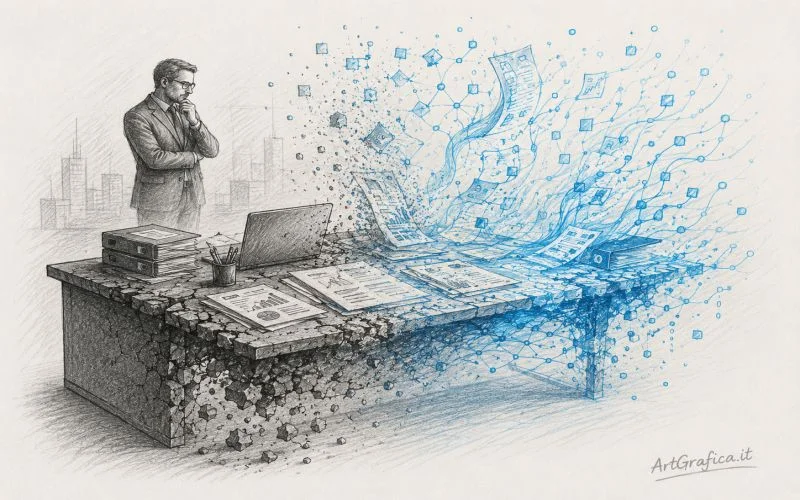
Work in the Age of Cognitive Machines
Category : Articles & InsightsArtificial intelligence is not simply entering the workplace. It is redefining what qualified work means. For more than a century, social and professional advancement has been associated with distance from physical labor, with offices, documents, abstract expertise, and the ability to process information. Today, that very territory, once considered among the safest, appears unexpectedly
-

AI companion, the silent economy of artificial intimacy
Category : Articles & InsightsThe new frontier of artificial intelligence is not measured only in data centers, chips or the balance sheets of major platforms. It is also measured at the most fragile point of human experience: the need to be heard. AI companions show that technology is no longer entering only productive processes, but the grammar of
-
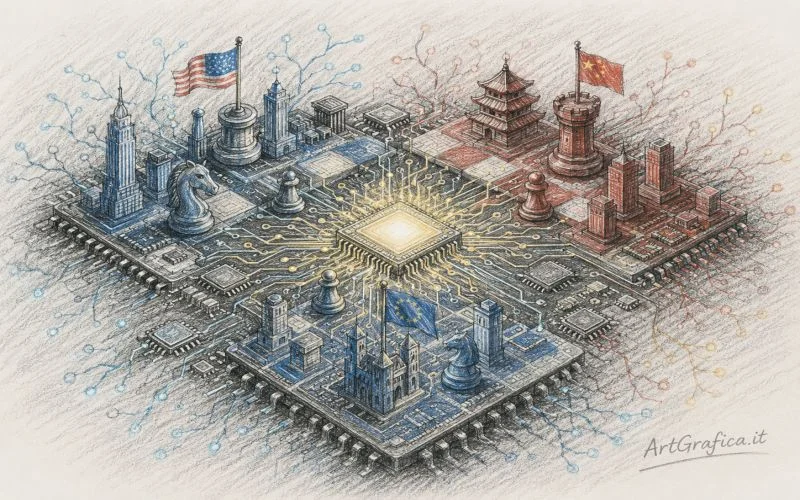
The age of cognitive sovereignty
Category : Articles & InsightsFor years, artificial intelligence was presented as an infrastructure of efficiency. A productivity accelerator, a competitive advantage, a technology capable of simplifying processes and reducing costs. Today, that definition appears increasingly inadequate. AI is not merely changing how work is performed. It is reshaping the very environment in which decisions are made, economic power
-
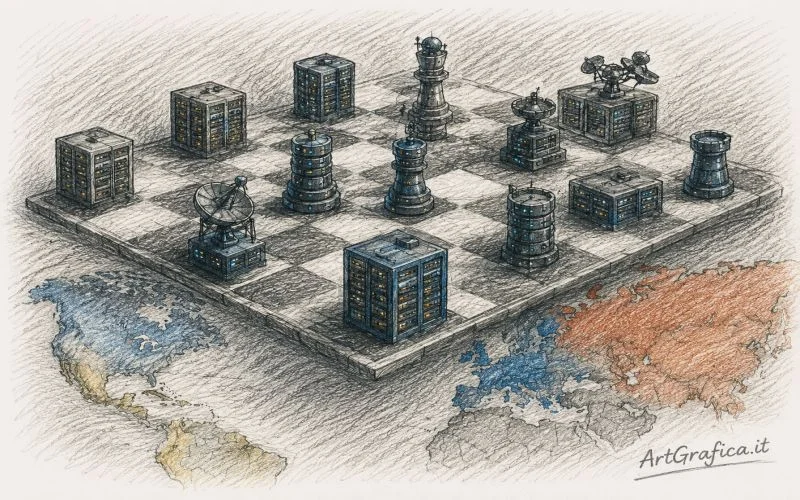
The invisible shape of change
Category : Articles & InsightsFor more than two centuries, the relationship between human beings and technology rested on a relatively clear distinction: machines amplified physical strength, increased speed, reduced effort, and multiplied productive capacity. From the steam engine to the computer, every industrial revolution transformed work and economic systems primarily by acting upon the world of actions. Artificial
-
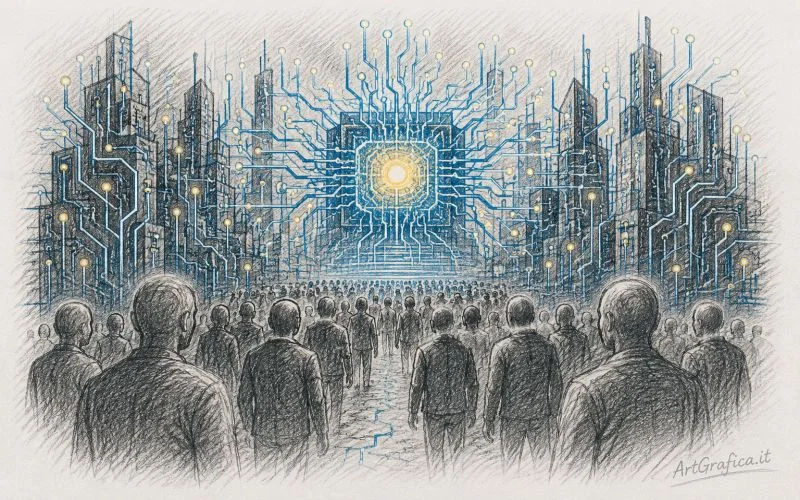
The civilization of the algorithm and the risk of a new form of human poverty
Category : Articles & InsightsFor months, public debate around artificial intelligence has focused primarily on its economic consequences. Automation, productivity, job displacement, new industrial models. The numbers themselves reinforce the perception that humanity is facing a transformation without precedent. According to leading international observatories, by 2024 nearly 80% of global organizations reported using artificial intelligence in at least one
-
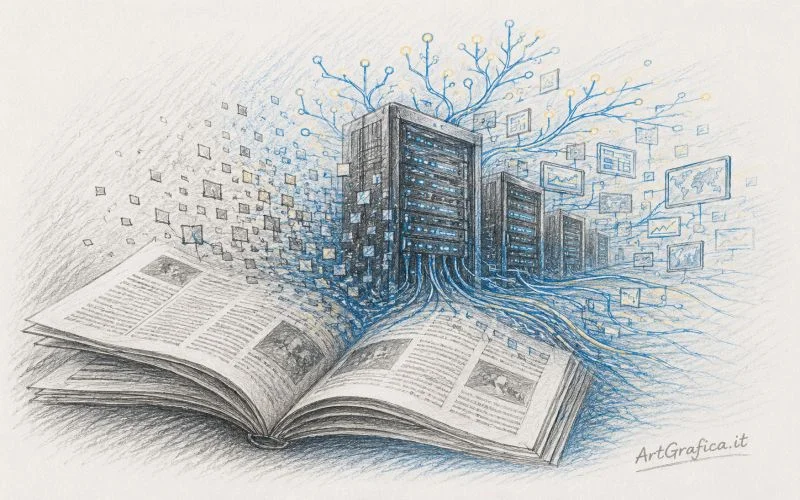
Information beyond the product
Category : Articles & InsightsFor more than a century, journalism functioned as one of modernity’s defining industrial technologies. Its forms evolved repeatedly, yet its underlying principle remained remarkably stable: gather information, verify it, organize it, and distribute it to an audience. From the printing press to television and, later, to digital platforms, every major revolution altered the speed of
-
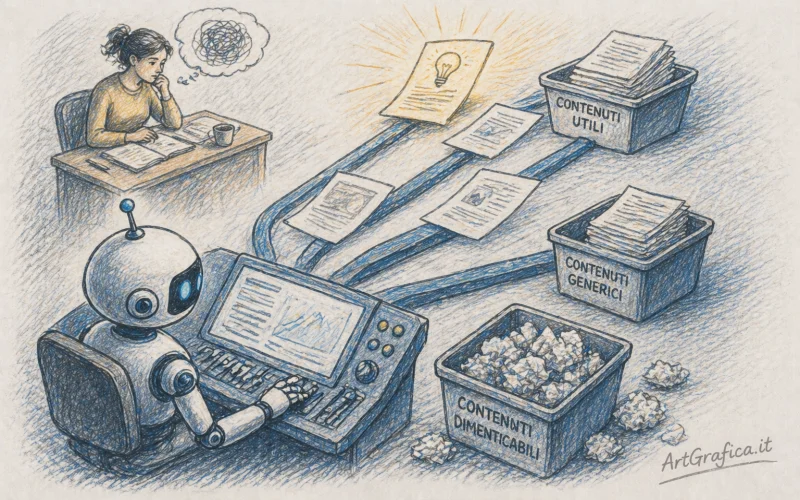
The Illusion of Productivity: When Artificial Intelligence Makes Corporate Content Invisible
Category : Articles & InsightsIn a matter of months, artificial intelligence has ceased to be a technological curiosity and has become a structural component of corporate communication processes. It has entered operational workflows with a clear promise: speed, continuity, and the ability to produce content without interruption. In fact, that promise is being kept. In a few minutes,